What Causes Sudden Tinnitus in Adults Over 50? Complete 2026 Guide
Sudden ringing in your ears — that new, unfamiliar buzzing or hissing that seems to have appeared out of nowhere — is frightening. If you're an adult over 50, you're in the demographic where tinnitus most commonly develops. But what actually causes it? And is there anything you can do?
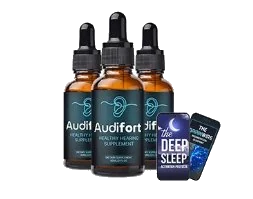
This article explains the underlying causes of sudden tinnitus in adults over 50, what medical evaluation to pursue, and how Audifort's formula addresses the most common contributing factors.
The Most Common Causes of Sudden Tinnitus After 50
1. Age-Related Hearing Loss (Presbycusis)
The most common cause. As we age, tiny hair cells in the cochlea (inner ear) gradually deteriorate. When the brain receives less auditory input from certain frequencies, it can create phantom sounds to compensate — which we perceive as tinnitus. This process is gradual, but you may only notice tinnitus when it crosses a threshold of loudness.
2. Vascular Changes
The inner ear is served by extremely small blood vessels. Age-related atherosclerosis, blood pressure changes, or reduced circulation can affect these vessels, causing pulsatile tinnitus or ringing that seems to match your heartbeat. Poor circulation to the auditory nerve can cause various types of tinnitus.
3. Noise Damage Catching Up
Damage from decades of loud environments (concerts, machinery, gunshots, headphones at high volume) can accumulate silently and finally produce symptoms years or decades later.
4. Medication Side Effects
Over 200 medications list tinnitus as a potential side effect. Common culprits include:
- Aspirin (especially at high doses)
- NSAIDs (ibuprofen, naproxen)
- Certain antibiotics
- Some blood pressure medications
- Some antidepressants
- Diuretics
5. Ear Wax Impaction
Excessive earwax can create pressure changes that manifest as tinnitus. This is often overlooked but easily fixable.
6. TMJ (Temporomandibular Joint) Issues
The jaw joint sits very close to the ear. TMJ problems can cause tinnitus, especially if the ringing changes when you move your jaw.
7. Stress and Anxiety
Chronic stress affects neurological function and can trigger or worsen tinnitus. Many people first notice tinnitus during particularly stressful life periods.
8. Blood Sugar Fluctuations
Both high and low blood sugar can affect auditory function. Diabetes or pre-diabetic states are associated with increased tinnitus risk.
Support Auditory Health with Audifort
Audifort addresses multiple underlying factors that contribute to age-related tinnitus.
Try Audifort →How Audifort Addresses These Causes
Audifort's formula targets several of the underlying factors in age-related tinnitus:
For Vascular Causes:
Grape seed extract, Panax ginseng, and capsicum all support circulation and blood vessel health. Improved blood flow to the inner ear supports auditory function and may reduce vascular-origin tinnitus.
For Oxidative Damage:
Green tea extract, grape seed proanthocyanidins, and other antioxidants in Audifort help protect delicate inner ear structures from ongoing oxidative damage — a factor in progressive hearing decline.
For Neural Support:
B-vitamins, zinc, and adaptogenic herbs support auditory nerve function and neural transmission. Nutrient deficiencies are common in older adults and can worsen tinnitus.
For Metabolic Factors:
Chromium, gymnema, and other ingredients support healthy blood sugar — indirectly supporting vascular health throughout the body, including the inner ear.
For Stress Response:
Ginseng, maca, and adaptogens support the body's stress response, which can help modulate tinnitus severity.
What to Do When Tinnitus First Appears
Step 1: See a Doctor
Any new tinnitus should be evaluated by a doctor, ideally an ENT specialist. They'll check for:
- Earwax impaction
- Ear infections
- Medication side effects
- Blood pressure issues
- Underlying vascular conditions
- Rarely, more serious conditions
Step 2: Review Medications
Bring a list of all medications to your appointment. Some tinnitus can be resolved simply by changing or adjusting a medication.
Step 3: Get a Hearing Test
An audiogram can identify hearing loss patterns and reveal whether the tinnitus is likely age-related, noise-induced, or other.
Step 4: Address Modifiable Factors
Regardless of underlying cause, these help most tinnitus:
- Reduce caffeine and alcohol
- Improve sleep quality
- Manage stress (meditation, deep breathing)
- Protect ears from further noise damage
- Consider dietary supplements like Audifort
- Maintain healthy blood pressure and blood sugar
Step 5: Give Time and Support
Tinnitus often improves over the first 6-12 months as the brain adapts. Supporting auditory health during this time (like with Audifort) may improve outcomes.
Lifestyle Strategies That Help
Sound Masking
Use low-level background sound (fan, white noise app, quiet music) especially at bedtime. Silence often makes tinnitus more noticeable.
Cognitive Behavioral Approaches
Training your brain to shift attention away from tinnitus can reduce its intensity subjectively. Therapy programs specifically for tinnitus exist.
Ear Protection
Protect your remaining hearing from further damage. Use earplugs at concerts, when using power tools, etc.
Regular Exercise
Improves circulation throughout the body, including inner ear vessels. Aim for 30 minutes daily.
Blood Sugar Management
Even non-diabetics benefit from stable blood sugar for auditory health.
Sleep Optimization
Poor sleep worsens tinnitus perception. Prioritize 7-8 hours of quality sleep.
Realistic Expectations
Tinnitus rarely disappears completely, especially in adults over 50. Realistic goals are:
- Reduce intensity by 30-50%
- Reduce sleep disruption
- Improve focus and concentration
- Reduce emotional distress about tinnitus
- Slow progression
- Support remaining hearing
Audifort combined with lifestyle changes can achieve these goals for most users, based on my personal experience and customer feedback patterns.
When Tinnitus Is a Medical Emergency
See a doctor immediately if you experience:
- Sudden hearing loss
- Tinnitus following a head injury
- Tinnitus with dizziness or vertigo
- Tinnitus in only one ear
- Tinnitus that matches your heartbeat (pulsatile)
- Tinnitus with facial numbness or weakness
These can indicate serious conditions requiring urgent treatment.
Frequently Asked Questions
Is sudden tinnitus dangerous?+
Will my tinnitus go away on its own?+
Can Audifort make tinnitus worse?+
Does drinking coffee make tinnitus worse?+
Can I use Audifort with medications?+
The Bottom Line
Sudden tinnitus after 50 usually has identifiable causes — age-related hearing decline, vascular changes, medication effects, or other modifiable factors. Medical evaluation is essential to identify treatable causes.
For the underlying age-related factors, Audifort's comprehensive formula addresses several key areas simultaneously: vascular support, oxidative protection, neural nutrition, and stress modulation. Combined with lifestyle changes and medical care, it can meaningfully reduce tinnitus impact.
Support Your Auditory Health
Address multiple factors in age-related tinnitus with Audifort.
Try Audifort Now →