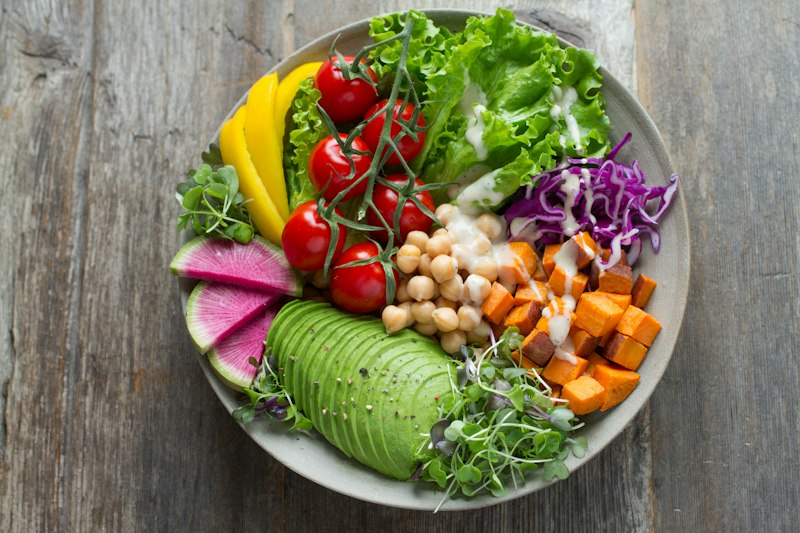
Why Diet Matters for Prostate Health
The prostate gland is uniquely sensitive to hormonal and metabolic influences — both of which are directly affected by diet. Dietary choices impact testosterone and DHT levels (the primary driver of prostate enlargement), systemic inflammation (which worsens prostate symptoms), insulin sensitivity (linked to prostate cancer risk), and oxidative stress (which damages prostate cells over time).
Population studies consistently show that men following traditional Mediterranean or Japanese diets have significantly lower rates of benign prostatic hyperplasia (BPH) and prostate cancer compared to men following Western dietary patterns high in processed foods, red meat, and refined carbohydrates.
Best Foods for Prostate Health
1. Tomatoes and Lycopene-Rich Foods
Lycopene is a carotenoid antioxidant found primarily in tomatoes that has been more extensively studied for prostate health than any other dietary compound. A landmark Harvard study found that men consuming 10+ servings of tomato products weekly had 35% lower prostate cancer risk. Lycopene accumulates specifically in prostate tissue and protects prostate cells from oxidative DNA damage.
Cooking tomatoes in olive oil dramatically increases lycopene bioavailability — making tomato sauce and roasted tomatoes significantly more beneficial than raw tomatoes. Other lycopene sources include watermelon, pink grapefruit, guava, and papaya.
2. Cruciferous Vegetables
Broccoli, cauliflower, Brussels sprouts, kale, and cabbage contain sulforaphane and indole-3-carbinol — compounds that influence testosterone and estrogen metabolism, potentially reducing DHT accumulation in prostate tissue. Multiple epidemiological studies link higher cruciferous vegetable consumption with reduced prostate enlargement and prostate cancer risk. Aim for 3-5 servings weekly.
3. Fatty Fish
Omega-3 fatty acids from fatty fish (salmon, sardines, mackerel, herring) have potent anti-inflammatory effects that directly benefit prostate health. Chronic prostate inflammation is both a cause and consequence of BPH, and dietary omega-3s reduce the inflammatory cytokines that drive this cycle. Men consuming fatty fish 2-3 times weekly show significantly lower inflammatory markers associated with prostate disease.
4. Zinc-Rich Foods
The prostate contains more zinc than any other organ in the body — zinc is essential for prostate cell function and testosterone metabolism. Zinc deficiency is consistently associated with worse prostate symptoms and elevated PSA levels. Best dietary sources include oysters (highest zinc content of any food), pumpkin seeds, beef, lamb, chickpeas, and hemp seeds.
5. Green Tea
Green tea contains epigallocatechin gallate (EGCG) — one of the most researched compounds for prostate health. Multiple studies demonstrate that EGCG inhibits 5-alpha-reductase (reducing DHT), promotes prostate cell apoptosis (programmed death of abnormal cells), and reduces prostate inflammation. Japanese men who drink 3-5 cups of green tea daily have among the lowest prostate disease rates in the world.
6. Pumpkin Seeds
Pumpkin seeds have been used traditionally for urinary and prostate health for centuries — and modern research validates this use. They are rich in zinc, phytosterols (particularly beta-sitosterol which inhibits 5-alpha-reductase), and lignans that modulate hormone metabolism. A clinical study published in Nutrition Research found that pumpkin seed extract significantly improved urinary symptoms in BPH patients compared to placebo.
7. Berries
Berries — particularly blueberries, strawberries, raspberries, and blackberries — are among the richest dietary sources of anthocyanins and other polyphenols with anti-inflammatory and antioxidant properties. Research specifically links berry consumption to reduced prostate inflammation and oxidative stress. Regular consumption supports not just prostate health but also cardiovascular and cognitive health simultaneously.
Foods to Avoid for Prostate Health
1. Red and Processed Meats
Multiple large-scale epidemiological studies link high consumption of red meat and especially processed meats (bacon, sausage, hot dogs, deli meats) with increased prostate disease risk. Heterocyclic amines formed during high-temperature cooking of meat are directly genotoxic to prostate cells. Limit red meat to 2-3 servings weekly and avoid processed meats as much as possible.
2. Dairy Products (in Excess)
High dairy consumption — particularly from full-fat dairy — has been associated with elevated insulin-like growth factor 1 (IGF-1) levels, which may promote prostate cell proliferation. The evidence here is mixed, but men with existing prostate concerns may benefit from moderating dairy intake to 1-2 servings daily of lower-fat options.
3. Alcohol
Alcohol disrupts testosterone and estrogen metabolism, promotes systemic inflammation, depletes zinc, and impairs liver detoxification of excess hormones. Heavy alcohol consumption is associated with worse BPH symptoms and higher prostate cancer risk. Moderate consumption (1 drink daily maximum) appears much lower risk than heavy drinking.
4. Refined Carbohydrates and Sugar
High refined carbohydrate intake drives insulin resistance and elevated blood glucose — both of which promote inflammation and hormonal disruption unfavorable for prostate health. The metabolic syndrome (central obesity, high blood sugar, high blood pressure, abnormal cholesterol) is strongly associated with severe BPH symptoms. Replacing refined carbohydrates with complex carbohydrates from vegetables and legumes is one of the most impactful dietary changes for prostate health.
5. Vegetable Oils High in Omega-6
Corn oil, sunflower oil, safflower oil, and soybean oil are high in omega-6 fatty acids that promote inflammatory pathways when consumed in excess relative to omega-3s. The typical Western diet has an omega-6 to omega-3 ratio of 15-20:1 — far from the optimal 4:1 ratio. Replace these oils with olive oil, avocado oil, or coconut oil.
The Prostate-Healthy Meal Plan
Breakfast: Greek yogurt with mixed berries and walnuts, or two eggs with spinach and tomatoes cooked in olive oil.
Lunch: Sardine or salmon salad with mixed greens, cherry tomatoes, pumpkin seeds, and olive oil dressing.
Dinner: Grilled salmon or mackerel with roasted broccoli and tomatoes, plus a side of lentils or chickpeas.
Snacks: Pumpkin seeds, mixed berries, green tea, or walnuts.
Avoid: Processed meats, fast food, sugary beverages, and alcohol (or limit strictly).
Combining Diet With Targeted Supplementation
While dietary changes form the foundation of prostate health, targeted supplementation can provide additional support — particularly for nutrients difficult to obtain in therapeutic amounts from food alone. Saw Palmetto, Boron, Nettle Root, and Lycopene are all available at clinically relevant doses in high-quality prostate supplements.
Our top recommendation for men over 45 is ProstaVive — a comprehensive prostate health powder formula containing eight botanical extracts shown in research to support healthy prostate function. Read our full ProstaVive review here.
🧬 Our Top Prostate Supplement: ProstaVive
Combine a prostate-healthy diet with targeted supplementation for the best results. 180-day guarantee.
Read Our Full Review → Affiliate link — we may earn a commission at no extra cost to you