How ProDentim Works: The Oral Microbiome Explained
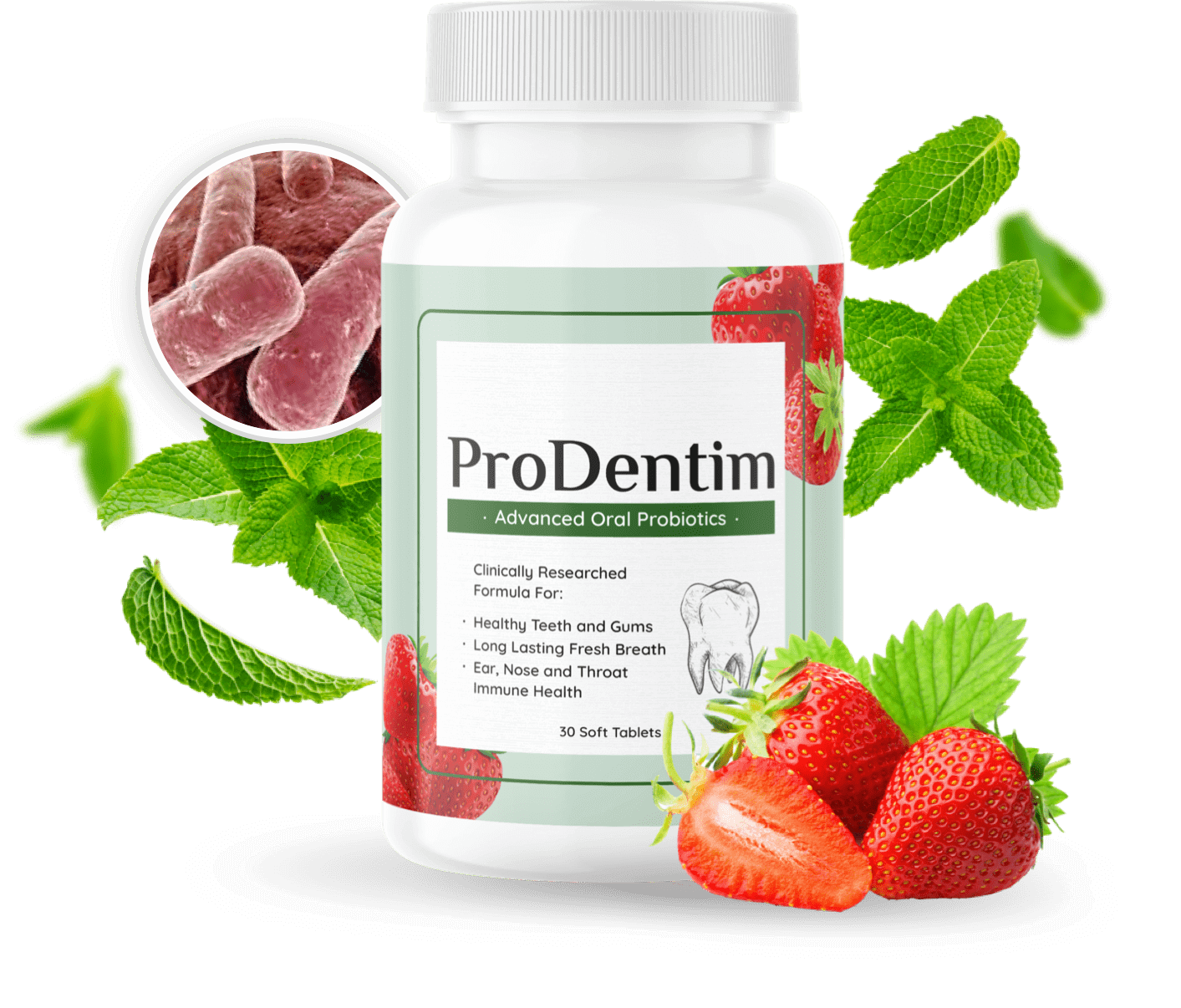
Your mouth is a bustling ecosystem. Right now, over 700 different bacterial species are living on your tongue, between your teeth, along your gums, and even in the soft tissues of your cheeks. Some of these bacteria are your best allies for oral health. Others are quietly destroying your teeth and gums.
This ecosystem is called the oral microbiome, and understanding it is the key to understanding why some people struggle with bad breath, cavities, and gum issues despite brushing religiously — while others coast through life with barely a filling.
This article explains the oral microbiome, why it matters more than most people realize, and exactly how ProDentim's probiotic approach works to restore balance. If you understand the science, you'll know whether ProDentim is right for your situation.
The Oral Microbiome: What's Actually In Your Mouth?
Your mouth contains a complex bacterial community that serves several critical functions when in balance:
- Prevents overgrowth of harmful bacteria through competition
- Produces compounds that keep tooth surfaces healthy
- Supports immune function in the oral cavity
- Helps break down food particles
- Maintains proper pH balance
- Communicates with the immune system to prevent inflammation
Most of the bacteria in your mouth are beneficial or neutral. Species like Streptococcus salivarius (particularly the K12 and M18 strains found in ProDentim) actively suppress harmful bacteria and support oral health.
The problem: modern lifestyles constantly damage this beneficial community.
What Destroys Your Oral Microbiome?
The good bacteria in your mouth are more fragile than you might think. Multiple daily factors damage them:
1. Aggressive Mouthwash Use
Antibacterial mouthwashes kill bacteria indiscriminately — both harmful and beneficial. Frequent use disrupts the microbiome, allowing harmful strains to recolonize first (because they're often more aggressive).
2. Sugar Consumption
Refined sugars feed harmful acid-producing bacteria like Streptococcus mutans. Every sugar-containing snack or drink is essentially fertilizer for the enemy.
3. Antibiotic Use
Systemic antibiotics kill bacteria throughout the body, including beneficial oral strains. Post-antibiotic recovery of the oral microbiome can take weeks or months.
4. Dry Mouth
Saliva contains natural antibacterial compounds and beneficial bacteria. Chronic dry mouth (from medications, dehydration, or stress) reduces this protective effect.
5. Poor Diet
Diets high in processed foods and low in fiber don't support beneficial bacteria and provide abundant fuel for harmful ones.
6. Smoking and Alcohol
Both directly damage beneficial oral bacteria and support harmful strain proliferation.
7. Aging
The oral microbiome shifts with age, with reduced diversity of beneficial strains and often increased colonization by pathogenic species.
Restore Your Oral Microbiome
ProDentim delivers 3.5 billion CFUs of beneficial oral probiotic strains daily.
Try ProDentim →How ProDentim Rebuilds Oral Balance
ProDentim's approach is fundamentally different from traditional oral care. Instead of killing bacteria, it introduces the beneficial strains your mouth has lost.
Step 1: Beneficial Strains Introduced
Each ProDentim tablet contains 3.5 billion CFUs of five carefully-selected strains: Lactobacillus paracasei, Lactobacillus reuteri, B.lactis BL-04, BLIS K-12, and BLIS M-18. As the tablet dissolves, these strains distribute throughout your mouth — tongue, teeth, gums, cheeks.
Step 2: Colonization Begins
Beneficial bacteria attach to oral surfaces and begin competing for space and resources with harmful bacteria. The prebiotic inulin in ProDentim provides food specifically for beneficial strains, giving them a competitive advantage.
Step 3: Harmful Bacteria Reduced
As beneficial bacteria establish, they produce compounds (like BLIS K-12's targeted antimicrobials) that specifically inhibit harmful strains — particularly the ones causing bad breath (VSC-producing bacteria) and cavities (S. mutans).
Step 4: Balance Restored
Over 4-8 weeks of daily use, the oral microbiome shifts toward a healthier composition. Symptoms of imbalance — bad breath, gum bleeding, sensitivity — reduce as their bacterial causes are outcompeted.
Step 5: Long-Term Maintenance
Continued use maintains the improved balance. If you stop, the beneficial strains gradually diminish and imbalance can return — though slower than the original decline.
Why Each ProDentim Strain Matters
BLIS K-12: The Bad Breath Strain
Bad breath (halitosis) is caused primarily by volatile sulfur compounds (VSCs) produced by anaerobic bacteria on the tongue. BLIS K-12 has been clinically studied for its ability to reduce these VSC-producing bacteria. It's the "star" strain for bad breath.
BLIS M-18: The Cavity Strain
M-18 specifically targets Streptococcus mutans, the primary bacteria responsible for cavities. It produces bacteriocins (antimicrobial peptides) that inhibit S. mutans growth without harming beneficial bacteria.
L. Reuteri: The Gum Strain
L. reuteri has been studied for gum health. It produces reuterin, an antimicrobial compound, and reduces inflammatory responses in gum tissue. Research suggests it can support periodontal health when used consistently.
L. Paracasei: The Foundation
This strain provides broad-spectrum microbiome support and reduces overall inflammatory load in the oral cavity. It's a foundational strain that supports the effectiveness of the more specialized strains.
B.lactis BL-04: The Immune Strain
Supports oral immune function and helps maintain healthy tissue response. Also contributes to upper respiratory health.
Timeline: What to Expect at Each Stage
| Weeks | What Happens | What You Notice |
|---|---|---|
| Week 1 | Strains introduced, initial contact | Little visible change |
| Weeks 2-3 | Colonization begins | Slightly fresher breath |
| Weeks 4-6 | Beneficial strains establishing | Better morning breath, less tongue coating |
| Weeks 7-8 | Bacterial balance shifting | Reduced gum bleeding, less sensitivity |
| Weeks 9-12 | Balanced microbiome | Consistent fresh breath, healthier gums |
Lifestyle Factors That Support ProDentim
For best results, combine ProDentim with habits that support the beneficial bacteria:
Reduce Refined Sugar
Cut back on candy, soda, and sugary snacks. This deprives harmful bacteria of their favorite fuel.
Use Gentle Mouthwash (or Skip It)
If you must use mouthwash, choose alcohol-free varieties. Consider using it only occasionally rather than daily.
Stay Hydrated
Drinking water throughout the day maintains saliva flow, which supports the entire oral ecosystem.
Eat Fiber-Rich Foods
Vegetables, whole grains, and fruits support beneficial bacteria throughout your digestive system, starting in the mouth.
Practice Good Basic Hygiene
Brush twice daily, floss regularly. ProDentim complements this — it doesn't replace it.
When ProDentim Isn't Enough
ProDentim is powerful but not a treatment for serious dental problems. See your dentist if you have:
- Active cavities requiring fillings
- Advanced periodontitis (severe gum disease)
- Persistent oral pain
- Loose teeth
- Unusual growths or sores
- Chronic bad breath despite ProDentim use
Some conditions require professional treatment. ProDentim can complement recovery but doesn't replace dental care.
Frequently Asked Questions
Can I take ProDentim while using antibiotics?+
Will ProDentim work if I use antibacterial mouthwash?+
Can ProDentim reverse existing cavities?+
Is ProDentim safe long-term?+
Can I chew ProDentim after brushing?+
The Bottom Line
The oral microbiome is real, it matters, and it responds to targeted intervention. Traditional oral care focuses on killing bacteria — often at the expense of the beneficial community your mouth needs. ProDentim's probiotic approach fills that gap by directly restoring the strains that keep your mouth healthy.
Combined with good basic hygiene and reduced antibacterial mouthwash use, ProDentim can dramatically improve oral health markers within 8-12 weeks. It's a genuinely different approach to a problem that traditional methods often fail to solve fully.
Restore Balance with ProDentim
Rebuild your oral microbiome with 5 clinically-researched probiotic strains.
Try ProDentim Now →